Connecting patient, providers, workflows, and insights to help healthcare organizations manage care with confidence.
Empowering healthcare teams to organize high-risk populations, identify and close care gaps, strengthen documentation integrity, coordinate patient outreach, and improve both care performance and financial outcomes.
ZuraMedOps — One platform. Multiple configurations.
Select only the ZuraMedOps modules you need — or go all-in with our build-to-order ZuraHMS. ZuraMedOps adapts to your clinic of any size.
ZuraMedOps: The only platform that adapts to your clinic — not the other way around.
Complete Flexibility
Start with one module or deploy the entire HMS — your architecture, your workflow, your pace.
Audit-Proof Compliance
HIPAA security, HEDIS tracking, and defensible RAF scoring keep you ready for any payer or regulatory audit.
Unified Intelligence
Every module shares data in real time, eliminating silos and redundant workflows. No reconciliation required across modules.
Maximum Revenue Capture
Accurate coding, anomaly detection, and risk adjustment ensure you are paid fully for the care you deliver.
Future-Proof Scalability
Add intelligent analytics, telehealth, population health, or interoperability modules as your organization grows.
Minimal Training, Rapid Adoption
Intuitive, role-based interfaces and guided workflows mean staff are productive in days, not weeks — no lengthy onboarding or certification required.
Faster Patient Encounters
Auto-generated SOAP notes and guided data entry reduce charting time by up to 60%, enabling providers to see more patients without burnout.
Operational Success from Day One
Pre-built integrations, open APIs, and modular deployment ensure your clinic achieves immediate efficiency gains while retaining the freedom to scale intelligently.
List of Available Solutions
01
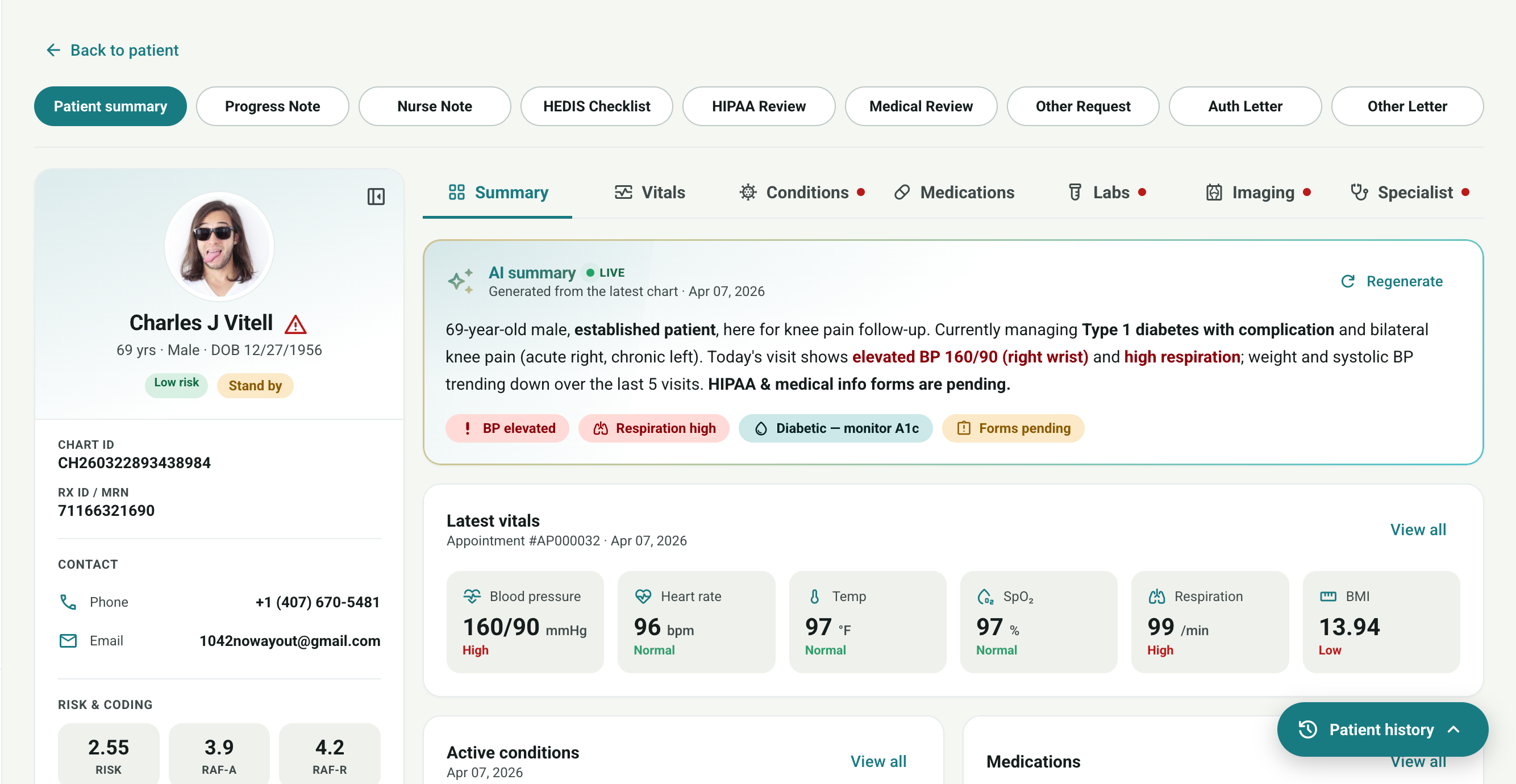
Zura360 - Intelligent Patient 360° View
A unified patient intelligence dashboard that brings vitals, trends, diagnoses, medications, care-team
documentation, authorizations, clinical records, HCC/RAF scores, and patient analytics into one secure view.
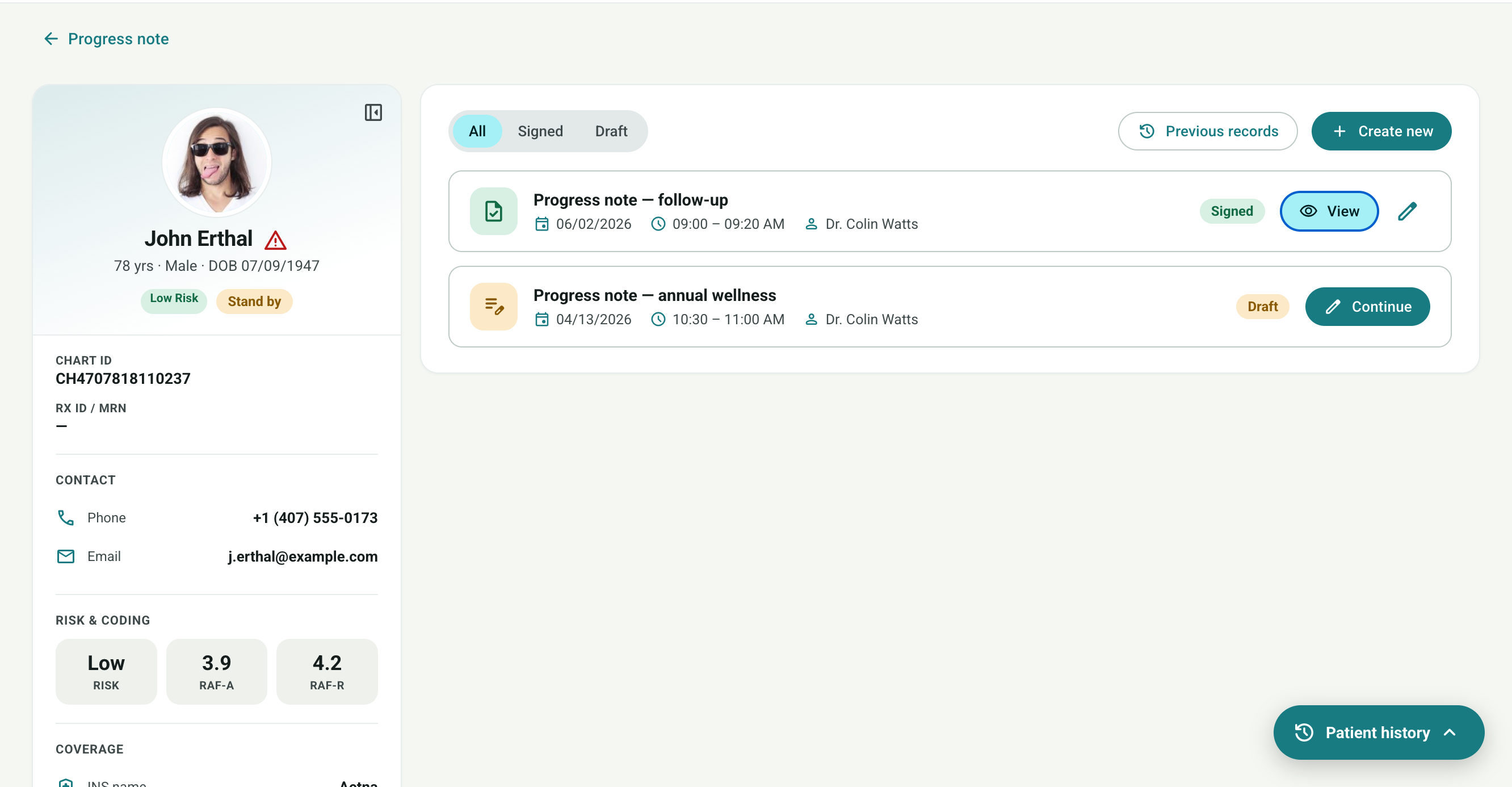
Patient 360 · John Erthal
AuthorizationNurse DocMAHIPAA
Patient summary
02
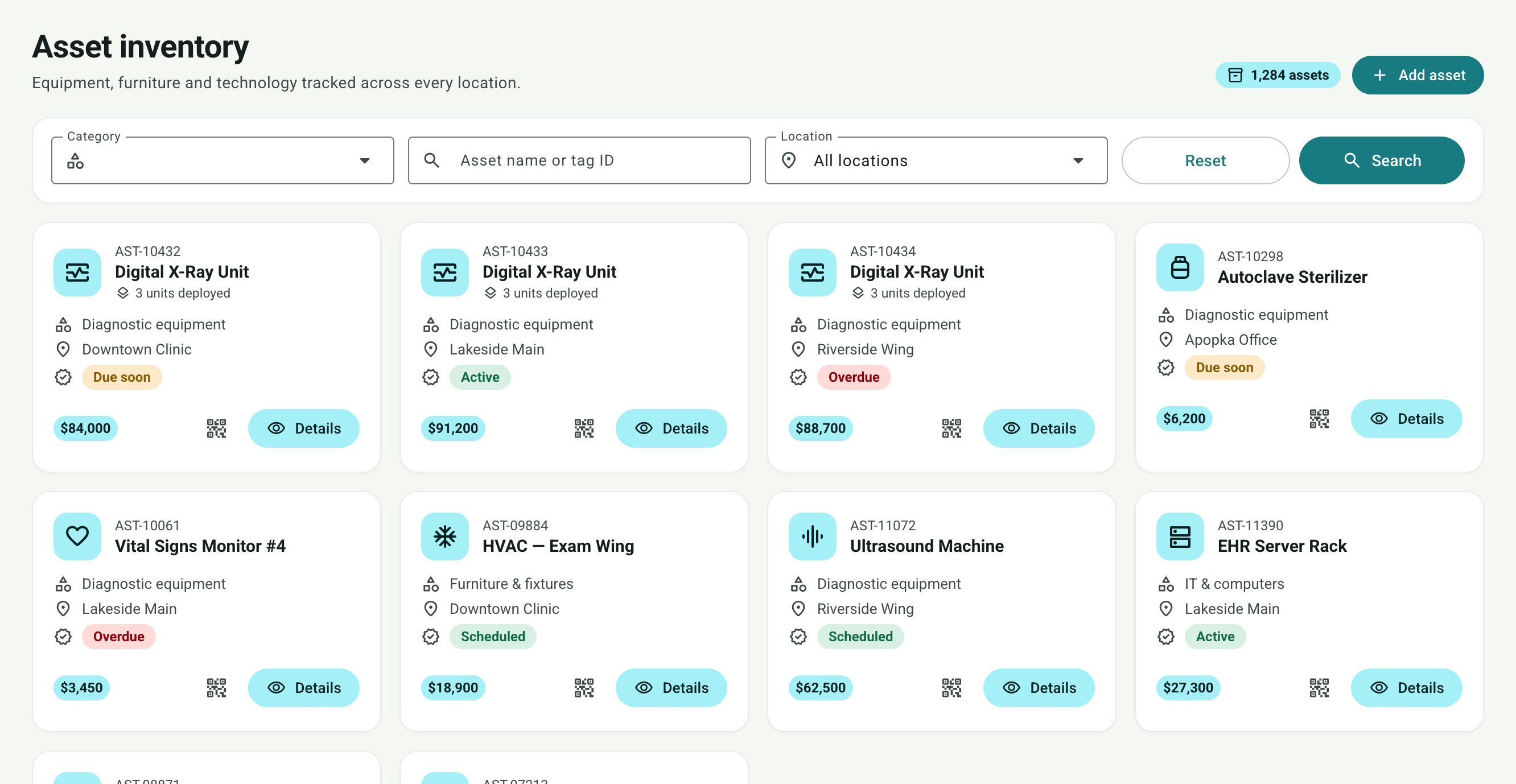
ZuraAssets: Intelligent Asset Management
A scalable, intelligent asset management system built specifically for small clinics to multi-practice groups—tracking medical equipment, supplies, and pharmaceuticals in real time to prevent loss, reduce waste, ensure compliance, and control operational costs without enterprise complexity.
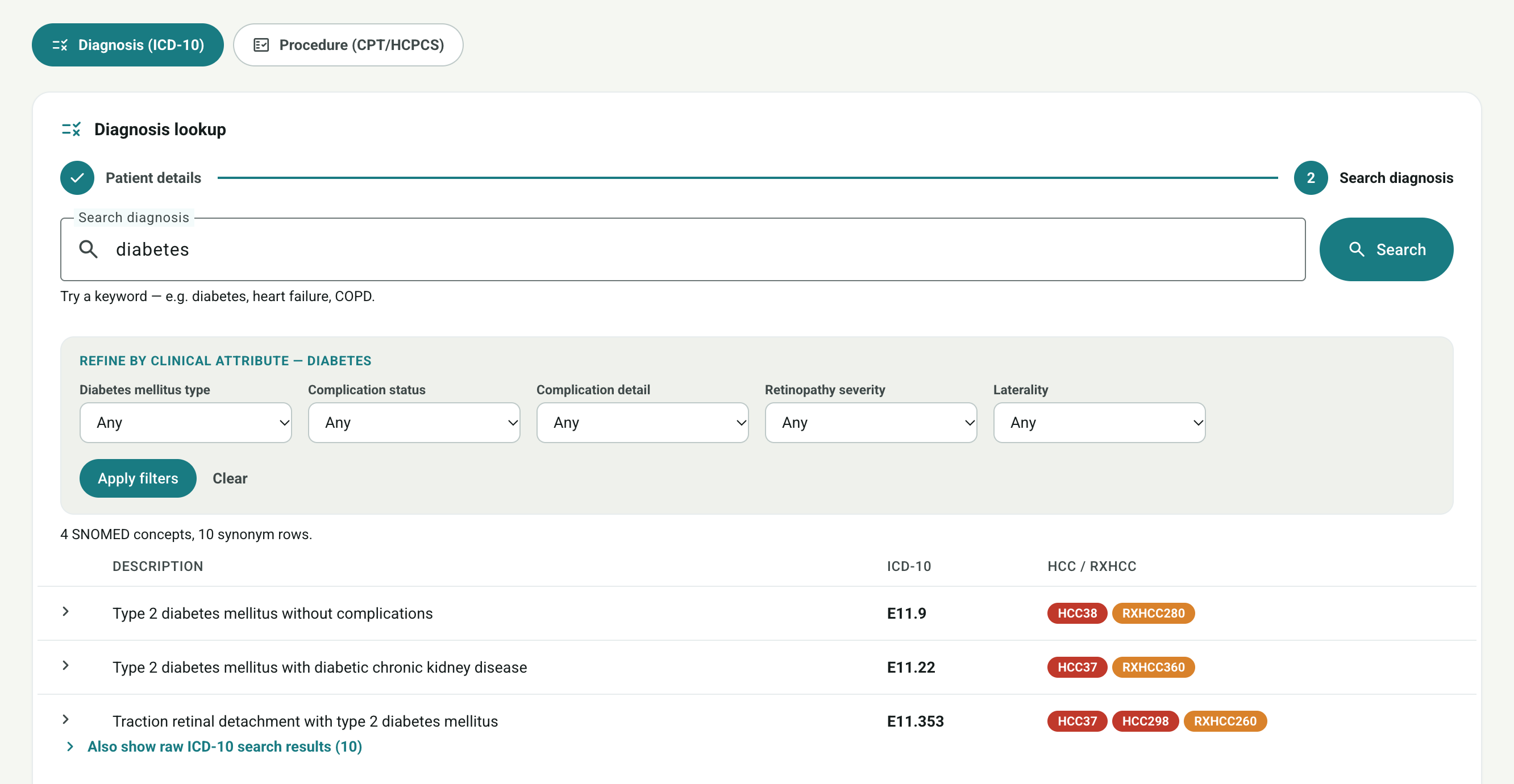
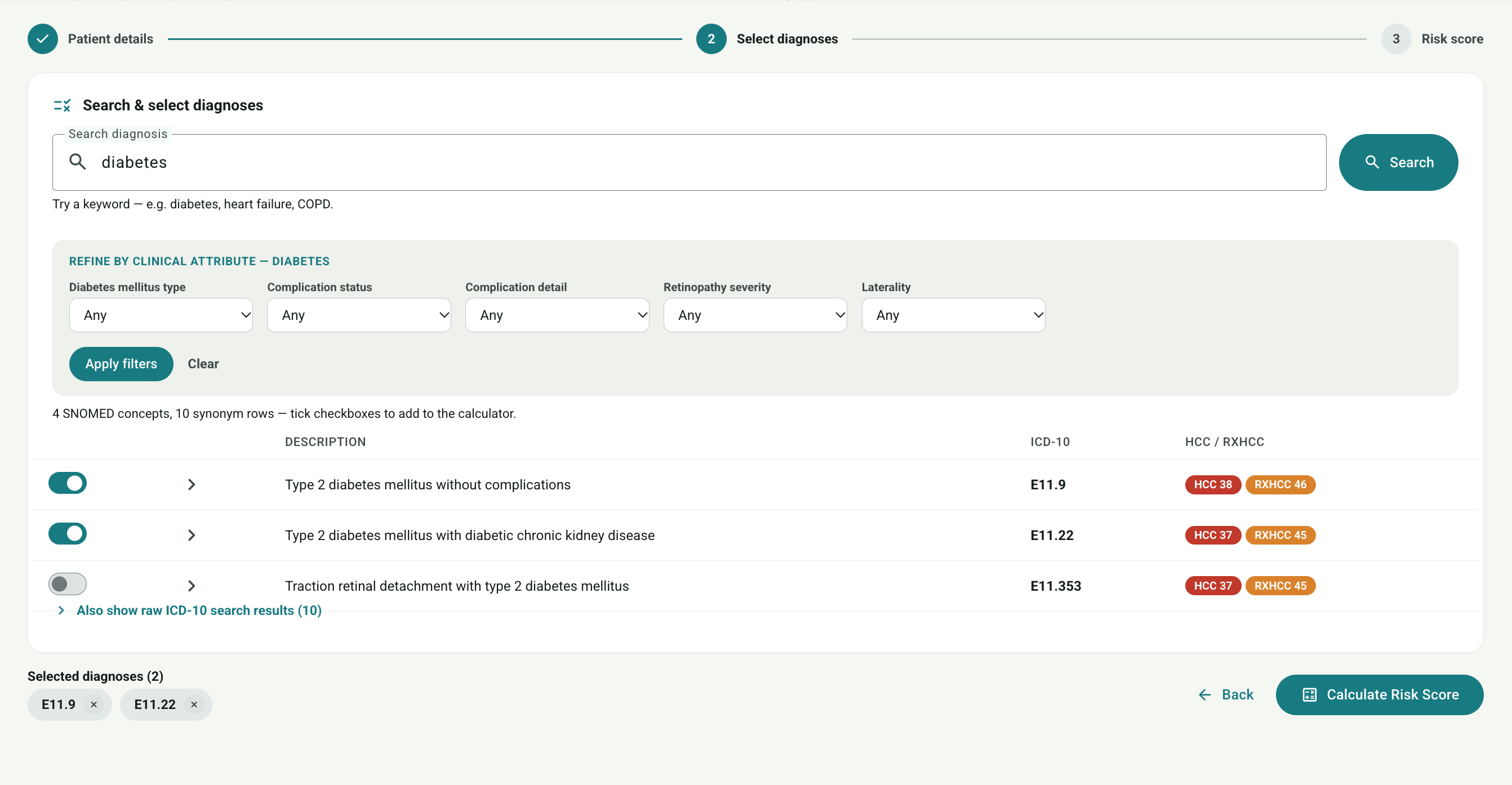
Intelligent medical terminology database that uses hierarchical drill-down navigation and real-time synonym mapping to ensure every diagnosis is SNOMED CT, ICD-10, and CPT-aligned from the moment it's entered.
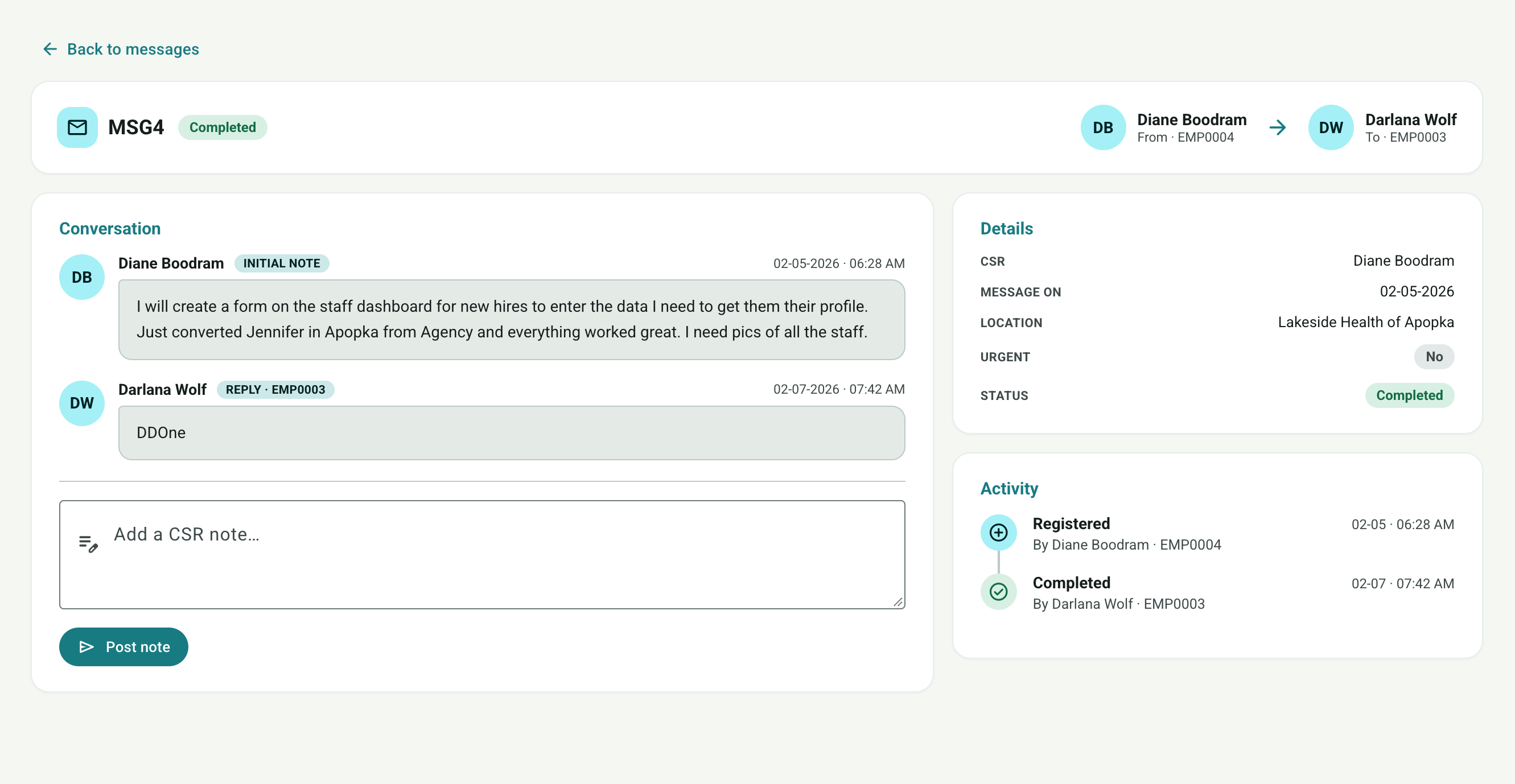
A HIPAA-compliant communication hub that centralizes all patient messaging, automates internal tracking with built-in alerts, and enables management-controlled health campaigns—all logged within the HMS for complete audit readiness and care continuity.
ZuraInsight - Real-Time Compliance, Risk, and Patient Intelligence
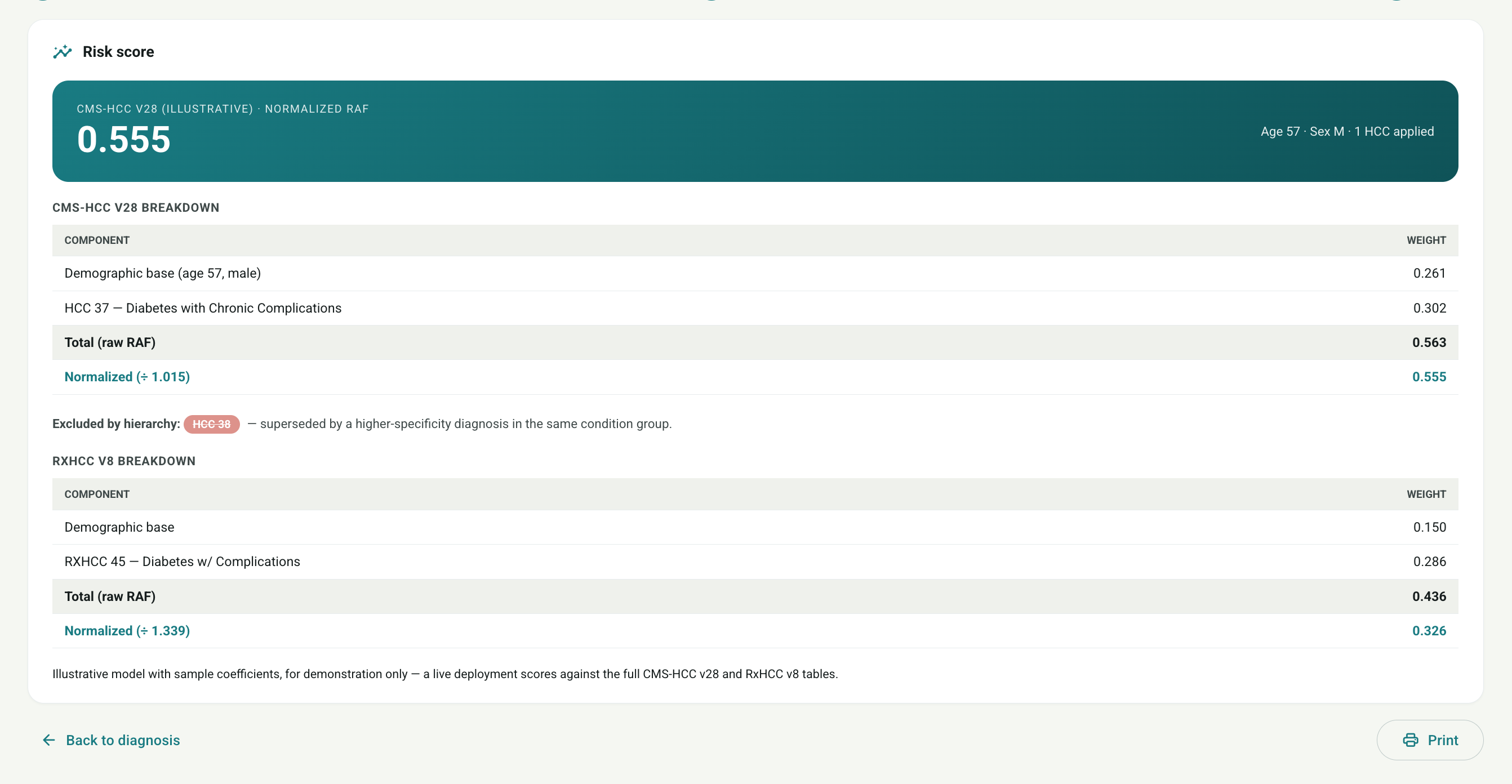
An intelligent analytics and compliance engine that delivers real-time HCC RAF scoring, HEDIS gap tracking, and
predictive patient analytics to maximize reimbursements, ensure audit readiness, and improve population health
outcomes.
ZuraPortal - The Patient's Secure Front Door to Care
A secure, easy-to-use patient portal that gives patients control of everyday care—from appointment booking and prescription refill requests to health updates, provider messages, and schedule changes—while keeping every interaction connected to the ZuraMedOps clinical workflow.
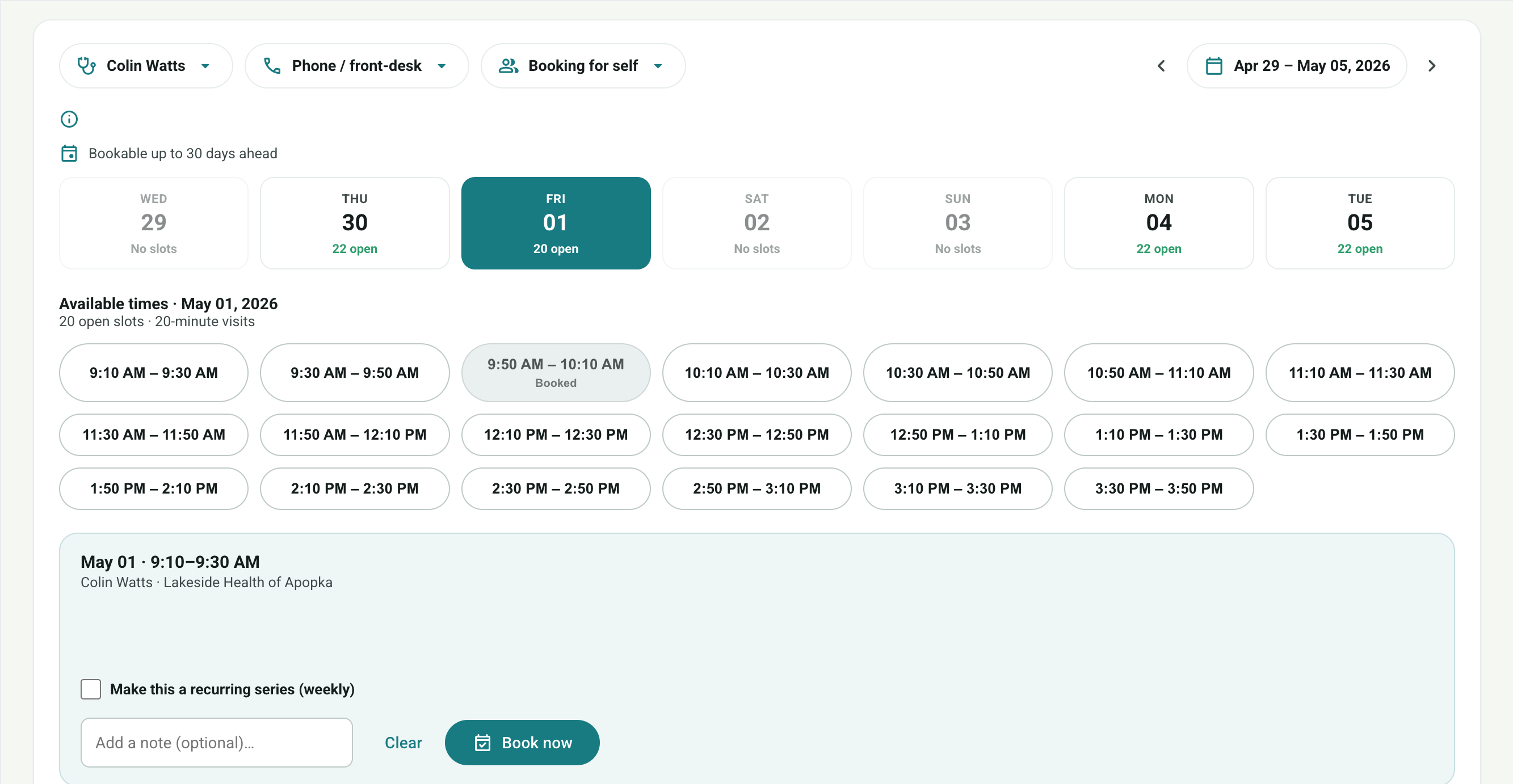
An intelligent scheduling engine that auto-adjusts time slots based on visit complexity, tracks real-time provider status, manages all appointment types (scheduled, walk-in, standby, cancelled), and integrates with ZuraSOAP and Zura360 to flag pending items before each patient arrives.
A highly structured, intelligent SOAP documentation system with guided templates, comprehensive Review of Systems and Physical Exam databases, voice-to-text , auto-generated notes and visit summaries, smart macros, and built-in clinical scoring — designed to eliminate redundancies, prevent missed documentation, and maximize revenue through intelligent diagnosis grouping.
You can absolutely start with individual modules. ZuraMedOps is designed as a modular, interoperable platform—each solution (ZuraSOAP, Zura360, ZuraScheduler, ZuraInsights, ZuraCuroDex, ZuraEngage) functions as a standalone product with open APIs and FHIR-enabled integration capabilities.
Standalone Module Benefits
Plug-and-Play Integration: Each module integrates with most major EMRs (Epic, Cerner, Meditech, eClinicalWorks, NextGen, and others) without requiring a full HMS replacement.
Immediate Value: You can deploy a single module—such as ZuraSOAP for faster documentation or ZuraInsights for HCC/RAF scoring—and see ROI within weeks.
No Vendor Lock-In: Open architecture ensures you retain control over your existing tech stack while augmenting it with best-in-class intelligence.
Integrated Platform Advantages
While individual modules deliver significant value independently, the full benefit is realized when multiple ZuraMedOps modules work together:
Unified Data Flow:ZuraSOAP auto-populates vitals from Zura360; ZuraInsights pulls HCC suggestions from ZuraCuroDex; ZuraScheduler flags pending diagnostics from ZuraSOAP.
Eliminated Redundancies: Structured data entered once (e.g., in ZuraSOAP) flows seamlessly to billing (ZuraCuroDex), analytics (ZuraInsights), and patient messaging (ZuraEngage).
Maximum Revenue Impact: Combined modules ensure accurate coding (ZuraCuroDex), defensible HCC capture (ZuraInsights), faster encounters (ZuraSOAP), and optimized scheduling (ZuraScheduler)—multiplying revenue gains.
Complete Operational Visibility: Leaders gain end-to-end transparency across scheduling, documentation, compliance, and patient engagement in one dashboard.
2. Phase Additional Modules Over Time: As your practice or health system scales, add complementary modules to unlock compounding efficiencies and revenue gains.
3. Optional Full HMS Deployment: For organizations seeking a complete, build-to-order HMS, ZuraMedOps can be deployed as a unified platform with role-based access, centralized workflows, and total operational control.
Disclaimer
Integration Complexity: While ZuraMedOps modules integrate with most major EMRs via FHIR APIs and HL7 interfaces, integration timelines and technical requirements may vary based on your existing EMR's capabilities, customization level, and IT infrastructure. A preliminary technical assessment is recommended before deployment.
EMR Vendor Restrictions: Some EMR vendors may impose integration fees, data-access restrictions, or certification requirements. ZuraMedOps will work with your IT team to navigate these constraints, but third-party vendor policies are outside our control.
Module Interoperability: Certain advanced features (e.g., auto-populated vitals in ZuraSOAP, HCC flagging in ZuraInsights, pending-item alerts in ZuraScheduler) require integration with other ZuraMedOps modules or access to specific EHR data fields. Functionality may be limited if deployed as a completely standalone module without data-sharing agreements.
Regulatory Compliance:ZuraMedOps modules are HIPAA-compliant and support ONC-certified EHR integration. However, ultimate compliance responsibility rests with the deploying organization, and legal/regulatory review is advised before implementation.
Performance Optimization: While standalone modules deliver immediate value, optimal performance, data integrity, and revenue impact are achieved when multiple ZuraMedOps modules are integrated into a cohesive workflow.
Bottom line: Start with what you need. Scale when you're ready. ZuraMedOps grows with you—no rip-and-replace, no forced upgrades, no vendor lock-in.
Yes. ZuraMedOps is designed from the ground up to meet and exceed HIPAA security and privacy requirements. Every module—ZuraSOAP, Zura360, ZuraScheduler, ZuraInsights, ZuraCuroDex, and ZuraEngage—implements enterprise-grade security controls to protect patient data at every touchpoint.
Core HIPAA Compliance & Security Features
Encryption in Transit and at Rest: All patient data is encrypted using industry-standard TLS 1.3+ protocols during transmission and AES-256 encryption when stored. This applies to clinical notes, vitals, messages, broadcasts, analytics, and all other PHI (Protected Health Information).
Role-Based Access Control (RBAC): Granular permissions ensure that users access only the data necessary for their role. Physicians see full clinical records; nurses access care-plan-relevant information; front-desk staff view scheduling and demographic data; billing teams access claims and coding information. Access levels are configurable and auditable.
Immutable Audit Trails: Every action—note creation, modification, viewing, deletion, message sending, broadcast initiation, HCC flagging, scheduling changes—is time-stamped, user-attributed, and logged in an immutable audit trail. These logs support HIPAA audits, RADV reviews, internal compliance investigations, and legal discovery requests.
Secure Patient Messaging (ZuraEngage): All patient communications are transmitted through HIPAA-compliant, end-to-end encrypted channels. Messages are logged within the HMS, tied to patient records, and retained per regulatory requirements.
Data Segmentation & Minimum Necessary Access:ZuraMedOps enforces the HIPAA "minimum necessary" standard by design. Users see only the data required for their workflow, and sensitive information (e.g., behavioral health notes, substance abuse records) can be further segmented based on organizational policies.
Automatic Session Timeouts & Multi-Factor Authentication (MFA): To prevent unauthorized access, inactive sessions automatically timeout, and MFA is available (and recommended) for all user accounts.
Business Associate Agreement (BAA):ZuraMedOps executes a HIPAA-compliant Business Associate Agreement with every covered entity customer, formally defining our responsibilities as a data processor and ensuring contractual compliance with HIPAA Privacy and Security Rules.
Third-Party Security Certifications:ZuraMedOps undergoes regular third-party security audits, penetration testing, and vulnerability assessments. SOC 2 Type II certification and HITRUST CSF alignment are available upon request for enterprise customers.
Data Residency & Sovereignty Controls: For organizations with specific data-residency requirements (e.g., patient data must remain within U.S. borders), ZuraMedOps offers region-locked cloud deployments and on-premise installation options.
Incident Response & Breach Notification:ZuraMedOps maintains a formal incident response plan and commits to timely breach notification in accordance with HIPAA Breach Notification Rule requirements (within 60 days of discovery, or sooner as required by state law).
Compliance Beyond HIPAA
21st Century Cures Act & Information Blocking:ZuraMedOps supports patient data access and interoperability requirements, including OpenNotes-compliant note sharing via ZuraSOAP and patient portal integrations.
ONC Health IT Certification:ZuraMedOps modules align with ONC Certified Health IT requirements for EHR functionality, security, and interoperability.
State-Specific Privacy Laws:ZuraMedOps supports compliance with state-level privacy regulations (e.g., CCPA/CPRA in California) where applicable.
What This Means for You
Audit Readiness: You can retrieve complete audit trails for any patient record, user action, or data access event—simplifying HIPAA audits, payer reviews, and legal proceedings.
Risk Mitigation: Enterprise-grade encryption, RBAC, and immutable logs significantly reduce the risk of data breaches, unauthorized access, and compliance violations.
Patient Trust: Secure messaging, transparent note sharing, and robust privacy controls strengthen patient confidence in your organization's data stewardship.
Operational Confidence: Your compliance, legal, and IT teams can focus on care delivery and growth—not worrying about PHI security gaps or regulatory exposure.
Disclaimer
Customer Responsibility: While ZuraMedOps provides HIPAA-compliant infrastructure and tools, ultimate compliance responsibility rests with the covered entity (healthcare provider, health plan, or clearinghouse). Customers must configure access controls, train staff on HIPAA policies, and maintain internal compliance programs.
Integration Considerations: If ZuraMedOps modules are integrated with third-party EMRs or external systems, customers should ensure those systems also maintain HIPAA compliance and execute appropriate BAAs with all vendors in the data chain.
Regulatory Updates: HIPAA regulations and state privacy laws evolve over time. ZuraMedOps commits to updating its platform to reflect new requirements, but customers should conduct periodic compliance reviews with legal counsel.
Custom Deployments: For on-premise or private-cloud deployments, customers are responsible for maintaining underlying infrastructure security (e.g., server hardening, network segmentation, backup encryption). ZuraMedOps provides security best-practice guidance and configuration support.
Bottom line:ZuraMedOps is HIPAA-aligned by design—with encryption, access controls, audit trails, and compliance features built into every module. We execute BAAs, support audits, and partner with you to maintain the highest standards of patient data protection.
Most healthcare organizations are fully live with ZuraMedOps modules within 2 to 4 weeks from contract execution. Our implementation team manages the heavy lifting—data import, configuration, integration, and testing—while your team focuses on minimal, role-based training and workflow validation.
Assign project sponsor, provide EMR access credentials, share current workflow documentation
2. Configuration & Integration
Weeks 1–2
Configure modules (ZuraSOAP, Zura360, etc.), set up FHIR/HL7 interfaces with your EMR, import patient data, configure role-based access
Review and approve configuration specs, validate data mapping, provide feedback on workflow alignment
3. Testing & Validation
Week 2–3
Perform end-to-end testing (unit, integration, UAT), validate data integrity, test audit trails and security controls
Assign super-users for UAT, validate clinical workflows, confirm reporting and analytics accuracy
4. Training & Go-Live
Week 3–4
Deliver role-based training sessions (physicians, nurses, schedulers, admins), provide go-live support, monitor initial usage
Ensure staff attendance at training, designate internal champions, communicate go-live timeline to organization
5. Post-Go-Live Optimization
Weeks 4–6
Monitor system performance, address questions, fine-tune configurations, provide advanced training as needed
Provide feedback on usability, report any issues, identify opportunities for additional module deployment
Why Onboarding Is Fast & Low-Effort
Browser-Based, Intuitive Interface:ZuraMedOps modules are 100% web-based with guided workflows, smart prompts, and contextual help. Users achieve proficiency in hours, not weeks—no lengthy certification programs required.
Minimal Training Requirements: Physicians: 30–60 minute role-specific sessions on ZuraSOAP documentation, smart macros, and intelligent ambient scribing. Nurses & MAs: 45-minute training on vitals entry, care-team messaging, and Zura360 patient views. Schedulers & Front Desk: 1-hour session on ZuraScheduler slot management, standby lists, and patient reminders. Administrators & Revenue Leaders: 1-hour dashboard training on ZuraInsights analytics, HCC/RAF reports, and operational KPIs.
Pre-Built EMR Integrations:ZuraMedOps has existing FHIR and HL7 integration playbooks for major EMRs (Epic, Cerner, Meditech, eClinicalWorks, NextGen, Allscripts, etc.). This eliminates custom development delays and accelerates data synchronization.
Dedicated Implementation Team: You're assigned a dedicated project manager, integration engineer, and clinical workflow specialist who manage every technical detail—from data migration to security configuration.
Phased Rollout Option: For larger organizations, ZuraMedOps supports phased deployment (e.g., pilot with one provider or location, then scale organization-wide). This minimizes disruption and allows iterative refinement before full rollout.
Automated Data Import: Patient demographics, problem lists, medications, allergies, vitals, and historical notes are imported automatically from your existing EMR. Manual data entry is rarely required.
Go-Live Support: Our team provides real-time go-live support (virtual or on-site) for the first 1–2 weeks, ensuring smooth adoption and immediate issue resolution.
What Your Team Needs to Do
Assign a Project Sponsor: One internal leader (e.g., Practice Administrator, CMO, or CIO) to coordinate with our implementation team and make timely decisions.
Provide EMR Access: Share API credentials or interface specifications for your existing EMR to enable data synchronization.
Identify Super-Users: Select 2–5 power users (physicians, nurses, schedulers) to participate in UAT testing and serve as internal champions post-go-live.
Attend Role-Based Training: Ensure staff attend brief, targeted training sessions (30–60 minutes per role). Recorded sessions are available for future reference or new-hire onboarding.
Validate Workflows: Review configured workflows during UAT to ensure they align with your clinical and operational processes.
Typical Customer Effort
Small Practices (1–10 providers): 5–10 hours total internal effort over 3 weeks.
Medium Groups (10–50 providers): 20–40 hours total internal effort over 4 weeks (distributed across multiple stakeholders).
Large Health Systems (50+ providers): 60–100 hours total internal effort over 4–6 weeks (phased rollout recommended).
Post-Go-Live Support
24/7 Help Desk: Access to technical support for any issues or questions.
Quarterly Optimization Reviews: Proactive check-ins to identify new use cases, additional modules, or workflow improvements.
Continuous Product Updates: New features, security patches, and compliance updates are deployed automatically—no downtime or manual upgrades required.
Disclaimer
Integration Complexity: Onboarding timelines may vary based on the complexity of your existing EMR, the number of modules deployed, and the extent of custom workflow requirements. Organizations with highly customized legacy systems may require additional time for data mapping and interface testing.
Data Quality: The accuracy and completeness of imported patient data depend on the quality of source data in your existing EMR. ZuraMedOps performs data validation and cleansing, but customers are responsible for reviewing and correcting any discrepancies post-import.
Customer Availability: Delays in customer responses (e.g., slow approval of configuration specs, delayed UAT feedback, limited staff availability for training) can extend onboarding timelines.
Regulatory Approvals: For health systems requiring internal IT security reviews, legal approvals, or compliance sign-offs, additional time may be needed before go-live.
Custom Development: If unique workflow requirements necessitate custom feature development (beyond standard ZuraMedOps capabilities), timelines and effort estimates will be adjusted accordingly.
Bottom line: Most teams are live within 2–4 weeks with minimal internal effort. ZuraMedOps handles configuration, integration, and data import—your team focuses on brief training and workflow validation. Fast onboarding, fast ROI.
Traditional checkbox forms are binary and superficial—they capture only whether a system is "positive" or "negative" without documenting the actual clinical findings. ZuraSOAP replaces this rigid, one-dimensional approach with intelligent, hierarchical drill-down navigation that captures precise, structured clinical details for both the Review of Systems and Physical Exam—then auto-composes narrative notes that read as if a clinician wrote them manually.
Key Differences
Traditional Checkbox Forms
ZuraSOAP Intelligent Documentation
Binary Capture: Only records "positive" or "negative" for each system (e.g., "Cardiovascular: Negative")
Granular Findings: Captures location, quality, severity, timing, and context (e.g., "Cardiovascular: Regular rate and rhythm, no murmurs, no rubs, no gallops")
No Clinical Context: Does not document what was actually examined or what symptoms were reviewed
Structured Detail: Drill-down from body system → specific finding → exact descriptor (e.g., "Musculoskeletal → Knee → Left knee → Mild tenderness to palpation, no swelling, full range of motion")
Generic Templates: Same checkbox list for every patient, regardless of chief complaint or specialty
Specialty-Tuned Workflows: Cardiology, orthopedics, geriatrics, pediatrics, and behavioral health templates adapt to clinical context
Manual Note Composition: Providers must type or copy-paste findings into narrative format
Auto-Composed Narrative: As you select structured findings, ZuraSOAP automatically generates fluent, clinically accurate prose in real time
Copy-Paste Risks: Providers often forward outdated checkbox selections, leading to inaccurate records
Dynamic, Encounter-Specific: Every ROS and Physical Exam is built fresh based on current findings—no stale copy-forward data
Limited Billing Support: Checkbox forms do not support E/M level justification or HCC capture
Revenue-Optimized Documentation: Structured findings map directly to ICD-10, SNOMED CT, and E/M coding requirements—maximizing billing accuracy and HCC capture
How ZuraSOAP Works
Hierarchical Drill-Down Navigation: Review of Systems: Select a body system (e.g., "Respiratory"), then choose specific symptoms (e.g., "Cough," "Shortness of breath," "Wheezing"), then add qualifiers (e.g., "Productive cough, yellow sputum, worse in mornings, 2-week duration"). Physical Exam: Navigate from region (e.g., "Abdomen") → exam type (e.g., "Palpation") → exact finding (e.g., "Mild tenderness in RLQ, no rebound, no guarding").
Real-Time Note Composition: As you make selections, ZuraSOAP instantly composes narrative text that reads naturally:
"Respiratory: Patient reports productive cough with yellow sputum, worse in mornings, present for 2 weeks. Denies shortness of breath, wheezing, or chest pain."
"Abdomen: Soft, non-distended. Mild tenderness to palpation in right lower quadrant. No rebound tenderness, no guarding. Bowel sounds present in all quadrants."
Smart Macros & Conditional Phrases: Use keyboard shortcuts (e.g., ".normalexam") to auto-populate comprehensive normal findings, then modify only the abnormal elements. Conditional macros prompt you to fill in variables (e.g., "Select laterality: Left / Right / Bilateral").
Auto-Populated Context:ZuraSOAP pulls relevant history, prior findings, and chronic conditions from Zura360 to suggest appropriate ROS and Physical Exam elements—reducing omissions and ensuring consistency.
Audit-Ready Structure: Every documented finding is coded (SNOMED CT, ICD-10) and time-stamped, creating an immutable audit trail that supports E/M level justification, HCC validation, and compliance reviews.
Clinical & Operational Benefits
More Accurate Records: Captures what was actually reviewed and examined—not just a checkbox.
Faster Documentation: Structured selection is faster than typing, and auto-composition eliminates manual note writing.
Better Coding & Billing: Detailed findings support higher E/M levels, HCC capture, and defensible documentation.
Improved Care Continuity: Future providers see exactly what was found—not just "positive" or "negative."
Reduced Copy-Paste Risks: Every encounter is built fresh from structured inputs—no outdated forwarded data.
Specialty-Specific Precision: Templates adapt to cardiology, orthopedics, geriatrics, behavioral health, and other specialties.
Example
Traditional Checkbox
ZuraSOAP Structured Narrative
Musculoskeletal: ☐ Positive ☐ Negative
Musculoskeletal: No joint swelling, erythema, or warmth. Full range of motion in all extremities. Mild crepitus noted in bilateral knees. No tenderness to palpation.
Neurological: ☐ Positive ☐ Negative
Neurological: Alert and oriented x3. Cranial nerves II–XII intact. Motor strength 5/5 in all extremities. Sensation intact to light touch. Reflexes 2+ and symmetric.
Disclaimer
EMR Integration: While ZuraSOAP's structured ROS and Physical Exam data can integrate with most major EMRs via FHIR/HL7 interfaces, the degree of narrative auto-composition visible within the native EMR note editor may vary based on EMR vendor capabilities and interface configurations.
Specialty Coverage:ZuraSOAP includes pre-built templates for common specialties (primary care, cardiology, orthopedics, geriatrics, behavioral health, pediatrics, etc.). Highly specialized subspecialties may require initial template customization during onboarding.
Provider Customization: While smart macros and conditional phrases accelerate documentation, providers may need 1–2 weeks of practice to optimize their personal shortcut libraries and workflow preferences.
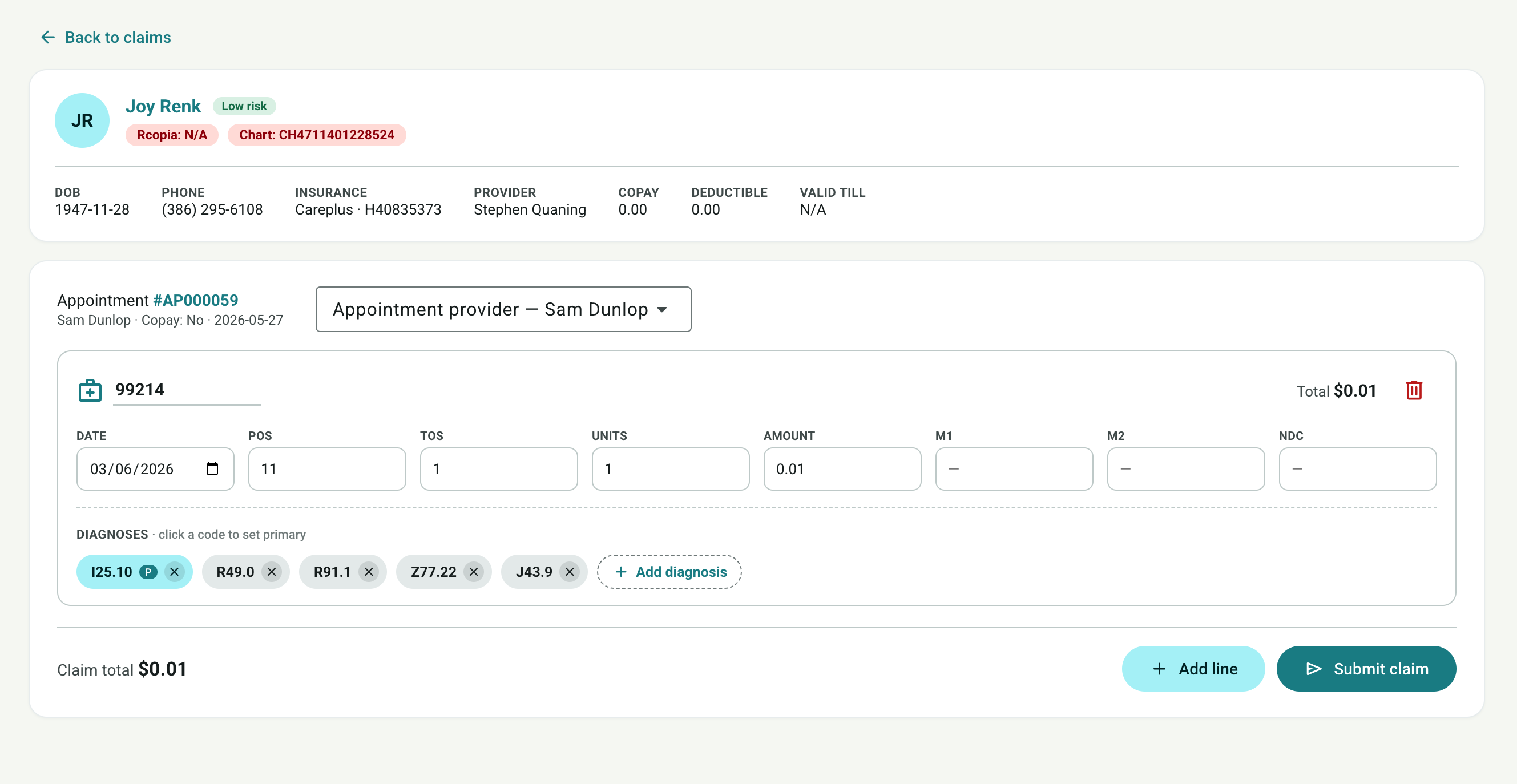
Coding Validation: While ZuraSOAP auto-maps clinical terms to ICD-10 and SNOMED CT codes, final coding validation and billing submission remain the responsibility of the provider or coding team.
Bottom line:ZuraSOAP replaces superficial checkbox documentation with intelligent, hierarchical drill-down that captures precise clinical findings and auto-composes fluent, audit-ready narrative notes—faster, more accurately, and with better revenue outcomes than traditional EHR forms.
ZuraMedOps—through the ZuraInsights module—identifies HEDIS care gaps before and during the patient encounter, surfaces them directly within the clinical workflow (ZuraSOAP and Zura360), and enables one-tap documentation to close gaps on the spot. This eliminates the need for retrospective chart chasing, costly care-manager outreach, or post-visit abstraction.
How HEDIS Gap Tracking Works
Real-Time Gap Identification:ZuraInsights continuously scans patient records against current NCQA HEDIS measures (e.g., A1c testing for diabetics, mammograms for women 50–74, colorectal cancer screening, blood pressure control, medication adherence, etc.). Gaps are flagged based on:
In-Encounter Alerts: When a patient with an open HEDIS gap is checked in, Zura360 displays a visible care-gap banner at the top of the patient's record. During documentation, ZuraSOAP shows inline HEDIS reminders within the Assessment & Plan section (e.g., "Patient is due for diabetic retinal exam—order now?").
One-Tap Gap Closure: Providers can close many HEDIS gaps during the visit with a single action:
Order Labs or Screenings: Click to order A1c, lipid panel, mammogram, colonoscopy, or other required tests—directly from the note.
Document Compliance: If the patient reports an outside screening (e.g., "I had a mammogram at City Hospital last month"), providers can document it instantly with structured fields (date, facility, result) and attach external records.
Prescribe Medications: For medication adherence measures (e.g., statin therapy for cardiovascular disease), providers can e-prescribe or reconcile medications in real time.
Schedule Follow-Ups: For gaps requiring future visits (e.g., repeat A1c in 3 months), ZuraScheduler can book the follow-up appointment before the patient leaves.
Automated Gap Status Updates: Once a gap-closing action is documented (e.g., lab ordered, screening completed, medication prescribed), ZuraInsightsautomatically updates the HEDIS measure status in real time. No manual chart abstraction or retrospective coding is required.
Care-Manager Dashboards: For gaps that cannot be closed during the visit (e.g., patient declines screening, outside records pending), ZuraInsights raises alert such that the patient can be send to a care-manager outreach queue with priority scoring based on:
Measure Updates: HEDIS measures are updated annually by NCQA. ZuraMedOps updates its HEDIS logic and alerts to reflect new specifications, but customers should review annual measure changes with their quality teams.
External Record Verification: For gaps closed based on patient-reported outside care (e.g., "I had a mammogram elsewhere"), organizations must establish policies for verifying and retaining external documentation to ensure audit defensibility.
Payer Variations: Some Medicare Advantage plans and commercial payers use customized HEDIS-like measures (e.g., STAR ratings, CMS Quality Bonus Payment measures). ZuraInsights supports custom measure configuration, but additional setup may be required.
Provider Discretion: While ZuraMedOps surfaces HEDIS gaps and suggests gap-closing actions, final clinical decisions remain at the provider's discretion based on patient preferences, contraindications, and clinical judgment.
Integration Dependencies: Real-time HEDIS gap tracking requires integration with ZuraSOAP and Zura360. If deployed as a standalone analytics module without EHR integration, gap alerts may be limited to dashboards rather than in-note reminders.
Bottom line:ZuraMedOps transforms HEDIS gap closure from a retrospective, labor-intensive process into a real-time, in-encounter workflow. Gaps are identified, documented, and closed while the patient is still in the room—improving scores, reducing outreach costs, and enhancing patient care.
You're right—nearly every EHR vendor markets a "360-degree view." But most are simply data dumps: fragmented tabs, disconnected records, and static summaries that require providers to hunt for relevant information. Zura360 is fundamentally different. It is an intelligent, longitudinal patient command center that unifies clinical history, vitals trends, diagnostics, medications, care-team documentation, authorizations, risk scores (HCC/RAF), HEDIS gaps, and predictive analytics—all in one structured, actionable workspace.
Key Differentiators
Traditional "360° Views"
Zura360 Intelligent Patient View
Fragmented Tabs: Vitals, labs, medications, notes, and forms live in separate screens
Unified Dashboard: All clinical data—vitals, trends, diagnoses, meds, labs, notes, forms, authorizations—displayed in one cohesive view
Static Records: Historical data is presented without context or intelligence
Predictive Intelligence: Intelligent alerts flag deteriorating vitals, emerging risks, overdue screenings, and high-risk patients before issues escalate
Manual Trend Analysis: Providers must manually compare prior vitals or lab results
Multi-Encounter Trending Graphs: Hover over any vital (BP, weight, A1c) to instantly see visual trend lines over the past year
No Care-Team Context: Prior nurse visits, MA comments, and referral feedback are disconnected
Connected Care Documentation: Nurse vitals, MA intake notes, referral coordinator feedback, and prior care-team discussions are tied directly to the physician encounter
Blind to Risk: HCC/RAF scores and HEDIS gaps are in separate reports
Integrated Risk & Compliance: HCC/RAF scores, HEDIS gap status, and preventive care alerts appear alongside clinical data—enabling proactive risk adjustment and gap closure
No Workflow Integration: 360° view is a reference tool, not embedded in clinical workflow
Native ZuraMedOps Integration:Zura360 feeds directly into ZuraSOAP (auto-populated vitals/labs), ZuraScheduler (pending-item flags), ZuraInsights (risk analytics), and ZuraEngage (patient messaging history)
Role-Based Views: Physicians see clinical depth; care managers see risk stratification and gaps; schedulers see pending authorizations and visit-prep checklists
No Actionability: Data is presented, but no next steps are suggested
Action-Oriented Alerts: "Patient's BP has risen 15 mmHg over 3 months—consider medication adjustment," or "Patient is due for colonoscopy—order during visit"
What Zura360 Brings Together
Complete Longitudinal Record: Every encounter, diagnosis, procedure, hospitalization, and care transition across the patient's lifetime.
Vitals & Trends: Current and historical vitals with visual trend graphs (BP, weight, pulse, O2 saturation, temperature, A1c, lipids).
Medication Management: Current medications, medication history, allergies, and drug-drug interaction alerts.
Care-Team Documentation: Nurse vitals and assessments, MA intake notes, referral coordinator feedback, care-manager outreach logs.
Forms & Authorizations: HIPAA forms, prior authorizations, referral documents, and supporting clinical records.
Risk & Analytics: HCC/RAF scores, HEDIS gap status, preventive care alerts, chronic disease tracking, and predictive risk stratification.
Patient Communications: Full history of secure messages, broadcast campaign responses, and care-team discussions (via ZuraEngage integration).
Why This Matters
Faster Clinical Decisions: Providers see the complete patient story—vitals trends, prior diagnoses, medication changes, recent labs—in seconds, not minutes. No more tab-switching or chart-diving.
Earlier Risk Detection: Predictive alerts identify deteriorating patients (e.g., rising creatinine, uncontrolled BP, weight gain in heart failure) before they become emergencies.
Better Care Coordination: Nurses, MAs, physicians, and care managers all work from the same unified record—reducing miscommunication and duplicate work.
Higher Revenue Capture: Integrated HCC/RAF scoring and HEDIS gap visibility enable providers to capture risk and close gaps during the visit—not retrospectively.
Improved Patient Safety: Drug-drug interaction alerts, allergy flags, and abnormal lab highlighting reduce medical errors and adverse events.
Operational Efficiency: Schedulers see pending authorizations and visit-prep requirements before the patient arrives. Care managers see high-risk patients needing outreach. Providers see everything they need in one place.
Real-World Example
A 72-year-old diabetic patient arrives for a follow-up visit.
Traditional EHR 360° View: Provider opens vitals tab (BP 148/92), then labs tab (A1c 8.4% from 4 months ago), then medications tab (metformin 1000mg BID), then notes tab (last visit: "continue current regimen"). No trends, no alerts, no HEDIS visibility. Provider prescribes same meds, schedules 6-month follow-up.
Zura360 Intelligent View: Provider sees:
BP Trend Graph: BP has risen from 132/84 to 148/92 over 3 months.
HEDIS Alert: "Patient due for diabetic retinal exam and statin therapy."
HCC Flag: "Chronic kidney disease (CKD) not documented—consider evaluation."
Medication Alert: "Metformin dose may need adjustment based on eGFR trend."
Action Taken: Provider adjusts metformin dose, adds statin, orders retinal exam and CKD workup, schedules 3-month follow-up, and connects patient with financial assistance. Four HEDIS gaps closed, one HCC captured, and one adverse event prevented—in one visit.
Disclaimer
Data Integration Scope:Zura360 displays data available through integration with your existing EHR, labs, pharmacies, and health information exchanges (HIEs). Historical data from non-integrated systems may require manual import or interface development.
Predictive Alert Calibration: Intelligent predictive alerts (e.g., deteriorating vitals, high-risk stratification) are based on generalized clinical models. Organizations can customize alert thresholds based on local protocols and patient populations.
Role-Based Access: While Zura360 unifies data, access is governed by HIPAA-compliant, role-based permissions. Certain sensitive data (e.g., behavioral health, substance abuse records) may be segmented based on organizational policies.
Third-Party Analytics: Some advanced analytics (e.g., population health trends, risk stratification models) may require integration with ZuraInsights or external analytics platforms for full functionality.
Bottom line:Zura360 is not just another "360-degree view." It is an intelligent, predictive, action-oriented patient command center that unifies clinical data, risk intelligence, and care-team workflows—enabling faster decisions, earlier interventions, and better outcomes than traditional EHR patient summaries.
Absolutely not. ZuraMedOps treats your historical data as a strategic asset—not a migration burden. As part of our structured onboarding process, we import your complete patient panels, problem lists, medication histories, allergy records, prior encounters, diagnostic results, and historical claims data—ensuring that risk history, HCC captures, and prior diagnoses are fully visible from day one. Nothing starts from a blank slate.
What Gets Imported
Data Category
What Is Migrated
How It Is Used in ZuraHMS
Patient Demographics & Panels
Full patient registry, assigned PCP panels, insurance information, contact details
Immediately available in Zura360 and ZuraScheduler for scheduling, care management, and population health
Problem Lists & Diagnoses
Active and historical diagnoses (ICD-10 coded), chronic conditions, HCCs
Auto-populated into ZuraSOAP notes, ZuraCuroDex problem lists, and ZuraInsights HCC/RAF scoring
Medication & Allergy History
Current and past medications, dosages, frequencies, documented allergies
Integrated into ZuraSOAP medication reconciliation, drug-drug interaction checks, and e-prescribing workflows
Vitals & Clinical Measurements
Historical vitals (BP, weight, A1c, lipids, etc.)
Displayed as multi-encounter trending graphs in Zura360 and ZuraSOAP for longitudinal analysis
Diagnostic Results
Lab results, imaging reports, pathology findings
Visible in Zura360 diagnostic intelligence section with historical comparisons
Used in ZuraInsights dashboards to establish baseline performance and track improvement post-go-live
Authorizations & Referrals
Active prior authorizations, pending referrals, care-plan documents
Visible in Zura360 and ZuraScheduler to ensure continuity of care and avoid service interruptions
How Migration Works
Pre-Migration Data Assessment (Week 1): Our integration team conducts a technical assessment of your existing EHR/PM system to identify data sources, formats, and quality. We work with your IT team to extract data via HL7, FHIR, CSV, or direct database exports.
Data Mapping & Validation (Week 1–2): Your data is mapped to ZuraMedOps data models (e.g., ICD-10 codes to ZuraCuroDex, historical vitals to Zura360 trends). We perform automated validation checks to identify duplicates, missing fields, or inconsistencies.
Secure Data Import (Week 2–3): Validated data is imported into your ZuraHMS environment via encrypted, HIPAA-compliant pipelines. Patient records are de-duplicated, and historical encounters are linked to the correct patient identifiers.
Post-Import Verification (Week 3): Your super-users review imported data during UAT testing to confirm accuracy. We address any discrepancies (e.g., missing allergies, incorrect problem lists) before go-live.
Go-Live Readiness (Week 4): By go-live, every patient chart in Zura360 includes full historical context—problem lists, medications, vitals trends, prior notes, claims history, and HCC/RAF scores. Providers can document and bill with complete clinical and financial visibility from day one.
What This Means for You
No Loss of Risk-Adjustment History: Prior HCC captures and RAF scores are preserved, ensuring continuity in Medicare Advantage risk contracts and value-based payment arrangements.
Immediate Clinical Context: Providers see complete patient histories—chronic conditions, prior hospitalizations, medication changes, vitals trends—without needing to access legacy systems.
Baseline Revenue Analytics: Historical claims data enables ZuraInsights to benchmark your pre-Zura revenue performance, identify denial patterns, and measure post-go-live improvements.
Continuity of Care: Active authorizations, pending referrals, and care-plan documents are migrated to avoid service interruptions or duplicate testing.
No "Cold Start" Problem: Unlike implementations that force providers to rebuild problem lists and re-document histories, ZuraHMS starts with your existing data—fully structured and immediately usable.
Example Scenario
A 68-year-old Medicare Advantage patient with diabetes, hypertension, and CKD transitions to ZuraHMS.
Before Migration: Patient's historical data resides in a legacy EHR with fragmented tabs. HCC history is in a separate risk-adjustment report. Claims data is in the PM system. Provider must log into three systems to get full context.
After ZuraHMS Migration: In Zura360, the provider sees:
Problem List: Diabetes with complications, essential hypertension, CKD stage 3 (all ICD-10 coded and HCC-flagged).
Medications: Metformin, lisinopril, atorvastatin—with dosages and last-fill dates.
Vitals Trend: BP rose from 138/86 to 152/94 over 6 months; A1c increased from 7.2% to 8.1%.
HCC/RAF History: Prior-year RAF score of 2.4 displayed with top HCC contributors (diabetes with CKD, hypertension).
Claims History: Last 12 months of claims visible with denial reasons (e.g., one denial for missing prior auth on MRI).
HEDIS Gaps: Due for retinal exam and statin therapy—flagged in ZuraInsights.
Result: Provider adjusts medications, orders retinal exam, prescribes statin, and schedules 3-month follow-up—all with full historical context and risk visibility.
Disclaimer
Data Quality Dependency: The accuracy and completeness of migrated data depend on the quality of source data in your existing EHR/PM system. ZuraMedOps performs validation and cleansing, but customers are responsible for reviewing and correcting any discrepancies post-import.
Legacy System Limitations: Some legacy EHRs may have non-standard data formats, custom fields, or proprietary structures that require additional mapping effort. In rare cases, certain data elements may not be fully migratable without custom development.
Historical Note Formatting: While historical visit notes are imported, their formatting may differ from ZuraSOAP's structured templates. Older notes may appear as read-only PDFs or text files within Zura360.
Claims Data Scope: Historical claims import typically includes 12–24 months of data. Older claims archives may require separate extraction or may be retained in your legacy PM system for reference.
Regulatory Retention Requirements: Customers must ensure that data migration and retention policies comply with state and federal record-keeping requirements (e.g., 6–10 years for adult records, longer for pediatric records).
Bottom line:ZuraHMS does not force you to start over. We import your complete patient history—panels, problem lists, medications, vitals, claims, HCC/RAF scores—so providers have full clinical and financial context from day one. No data loss, no blank slates, no disruption to care or revenue.
See what ZuraMedOps platform offers
Book a 30-minute demo and we’ll walk your team through the modules of your choice — on your data.